How to Choose the Right Areca Leaf Plate Machine for Your Startup
Introduction
Eco-friendly products aren’t just a niche anymore — they’re becoming the norm. From reusable water bottles to biodegradable packaging, people are making conscious choices every day. And when it comes to disposable tableware, areca leaf plates are quickly stealing the spotlight.
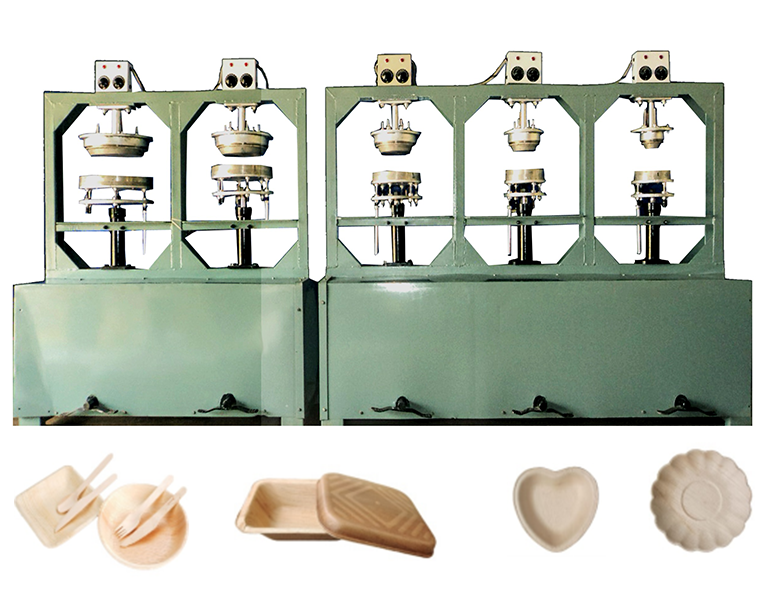
Made from naturally fallen palm leaves, these plates are sturdy, stylish, and 100% biodegradable. For anyone looking to start a sustainable venture, an Areca Leaf Plates Making Machine could be the foundation of a profitable business that also helps the planet.
Why Areca Leaf Plates Are in Demand
There’s a good reason why areca plates are popping up at weddings, food festivals, restaurants, and eco-conscious households:
- Completely natural — No chemicals, coatings, or plastics.
- Durable — Strong enough to hold oily curries, hot rice, or desserts without leaking.
- Earth-friendly — They break down naturally within weeks.
- Beautifully rustic — Their natural texture makes them stand out at events.
As bans on single-use plastics expand, the demand for eco-friendly alternatives like these will only increase.
How the Machine Works
The Areca Leaf Plates Making Machine is surprisingly simple to operate. Here’s the process in a nutshell:
- Collect the leaves — Areca palms shed leaves naturally, so the raw material is abundant and sustainable.
- Clean and dry — The leaves are washed, sterilized, and sun-dried to ensure hygiene.
- Press into shape — Using heat and pressure, the machine molds them into plates, bowls, or trays.
- Trim and pack — Finished products are checked for quality before being packaged.
A single machine can produce anywhere from a few hundred to several thousand plates in a day, depending on its size and level of automation.
Why This Business Makes Sense
Affordable to Start
Compared to many manufacturing ventures, this requires a smaller upfront investment.
Growing Market
Plastic bans and eco-awareness mean the demand for biodegradable products is here to stay.
Easy to Run
The machines are user-friendly and require only basic training.
Abundant Raw Material
In regions with areca palms, leaves are readily available — and often sold by farmers who otherwise have no use for them.
Local and Export Potential
There’s steady demand both in local markets (restaurants, caterers, event planners) and international ones, especially in countries moving away from plastics.
Steps to Kickstart Your Business
- Do your homework — Understand who your customers will be.
- Pick the right machine — Semi-automatic for smaller operations, fully automatic for higher output.
- Set up a workspace — You don’t need a large factory. A small unit with electricity and water works.
- Secure leaf supply — Partner with farmers or collectors for steady raw material.
- Build your brand — Emphasize your eco-friendly story — it’s what customers connect with.
- Explore exports — Many countries import biodegradable tableware in bulk, giving you room to grow.
Things to Watch Out For
- Leaf availability may fluctuate in some regions.
- Competition exists from other biodegradable products like sugarcane plates.
- Branding and quality matter if you want to stand out.
Profit with a Purpose
This is more than just a business. Each plate you produce with your Areca Leaf Plates Making Machine replaces a plastic one that might have ended up polluting the environment. That’s why this opportunity is so rewarding, it’s profit, but with a bigger purpose.
Conclusion
The future belongs to eco-friendly businesses. With modest investment, simple operations, and a growing global demand, starting an areca leaf plate unit could be your entry point into this movement.
If you’ve been looking for a business idea that balances profitability with impact, an Areca Leaf Plates Making Machine could be exactly what you need to get started.
Frequently Asked Questions
Q1. How much does an Areca Leaf Plates Making Machine cost?
Prices depend on the model. Semi-automatic machines are budget-friendly, while fully automatic ones cost more but deliver higher production.
Q2. Do I need technical skills?
No. The machines are simple to use. Basic training is usually enough.
Q3. How many plates can I make in a day?
Anywhere from a few hundred to several thousand, depending on your machine.
Q4. Can I start from home?
Yes, as long as you have a small room with electricity and water supply.
Q5. Is there export demand?
Definitely. Many countries actively import eco-friendly alternatives to replace plastic.
Q6. Are the plates safe for food?
Yes. They’re chemical-free and safe for hot, cold, or oily foods.


Comments
Post a Comment